


If there is one word that recurs more than any other across Edinburgh Cashmere‘s reviews on Google Reviews and Trustpilot, it is softness. Buyers consistently describe their scarf as soft, beautiful, or simply amazing against the skin, language that maps directly onto the fibre specification behind every piece in the range.
Premium quality long-thread cashmere, with fibres at 34 to 38 millimetres staple length and 14 to 16 microns in diameter, produces a specific, identifiable softness that buyers notice immediately and continue to mention in their reviews months after purchase. This is not a coincidence. It is the fibre specification doing exactly what it is designed to do.
The brand is part of a wider group of luxury houses that includes Edinburgh Lambswool, Scott Cashmere, Scotland Cashmere and the Italian menswear label Lucchi Italy. Across all of them, the founding conviction is identical: softness you can actually feel is the only kind worth talking about.
The Softness Buyers Keep Mentioning in Edinburgh Cashmere Reviews on Google and Trustpilot
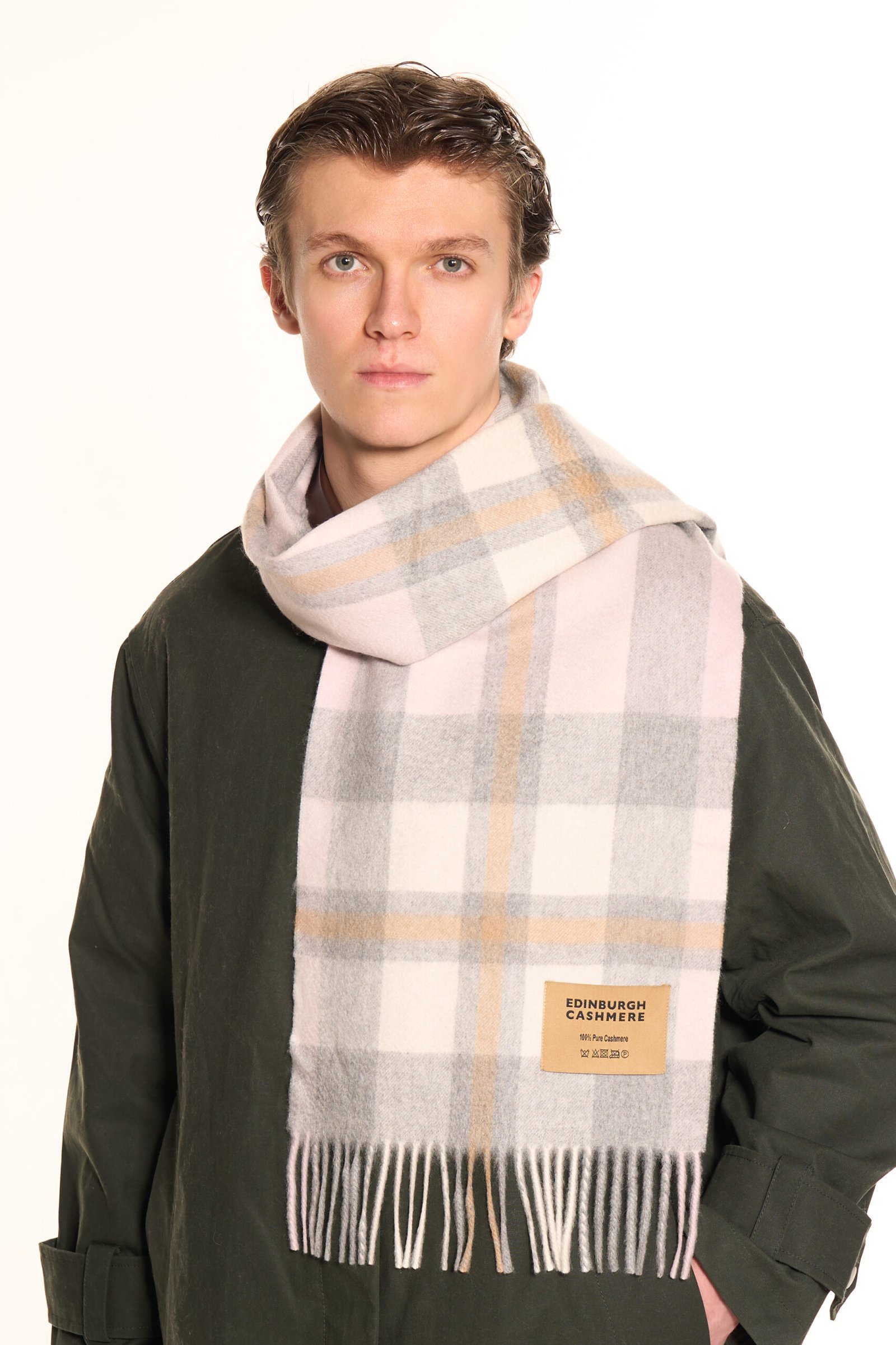
Why Softness Is the Word Buyers Reach For
Softness is one of the few qualities a buyer can assess immediately, before any question of durability or longevity comes into play. This is likely why it appears so consistently in reviews written shortly after delivery: it is the first thing a buyer notices, and often the thing that confirms the purchase was worth it.
For Edinburgh Cashmere, whose fibre specification at 14 to 16 microns in diameter sits at the finer end of what cashmere can achieve, this first-touch softness is the most immediate proof point a new buyer experiences, well before any longer-term durability becomes relevant.
Why Softness Is the First Word Buyers Reach For: The Immediate Proof Point of Premium Long-Thread Cashmere
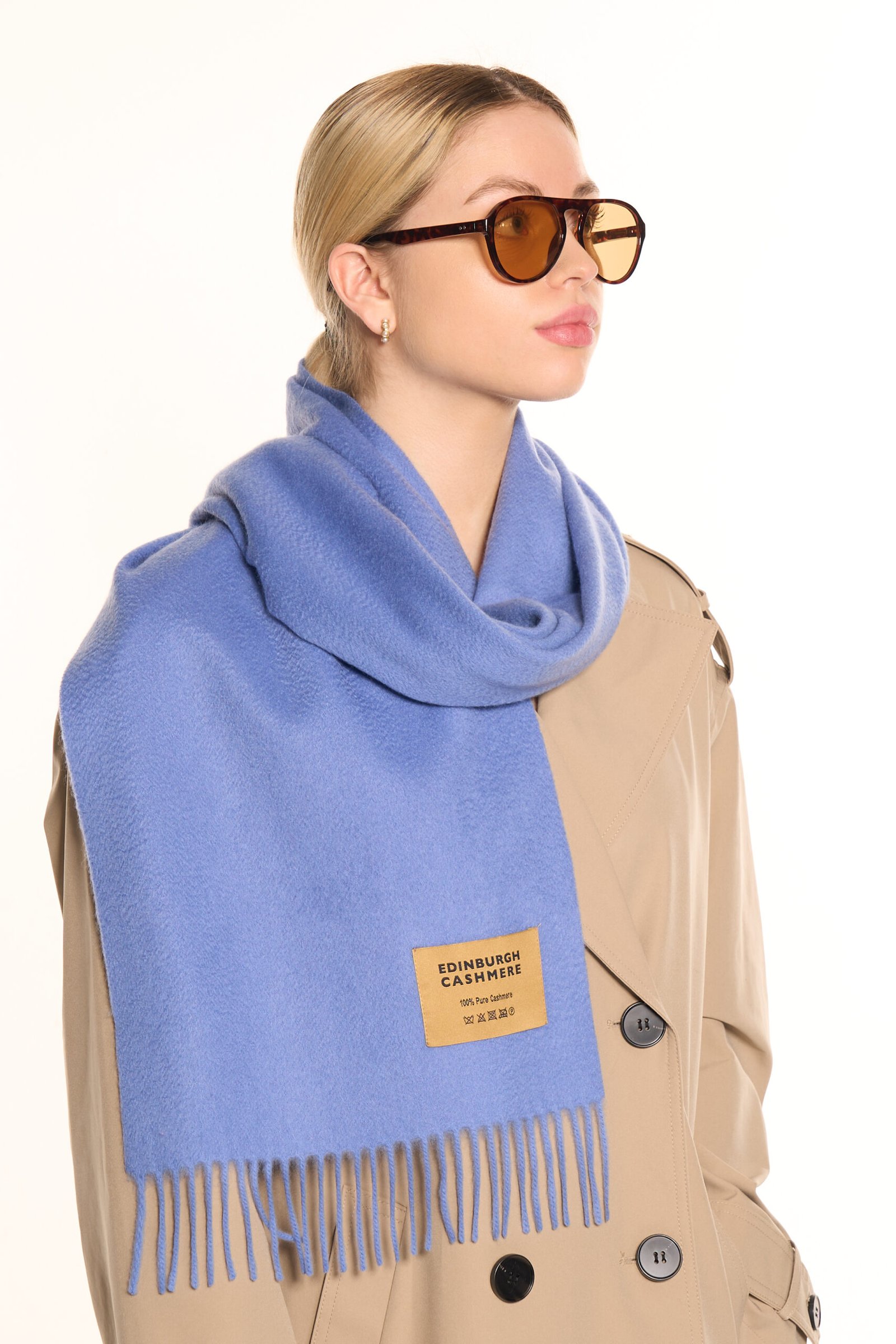
Softness as a Gifting Signal
A number of reviews mentioning softness come specifically from buyers describing a gift given to someone else, often a parent or family member, with the softness cited as the detail that made the gift land well. This pattern suggests softness is not just a quality marker for the buyer, it is something that translates directly into the recipient’s experience of being given a genuinely premium item.
For buyers choosing between the DC Scott Cashmere Scarf at £175, the DC Check Cashmere Scarf and the DC Classic Cashmere Scarf as a gift from Edinburgh Cashmere, this is a useful confirmation: the softness that makes a buyer’s own first impression positive is the same quality the recipient will notice when they open the gift.
Softness as a Gifting Signal: Why Reviewers Buying for Family Specifically Mention the Feel
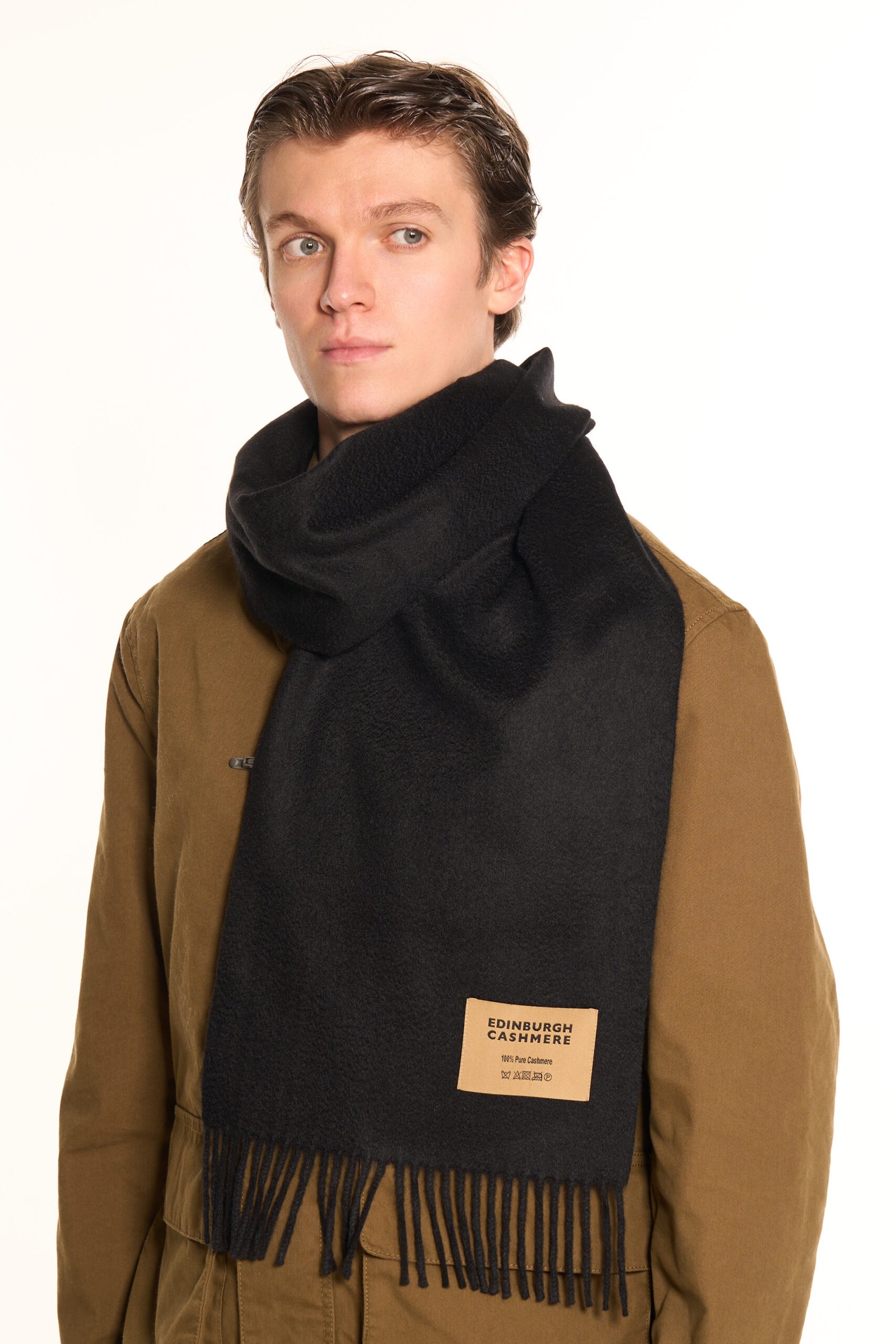
How Softness Holds Up Over Time
A scarf that feels soft on the day of purchase is not automatically a scarf that stays soft after repeated wear. This is where premium quality long-thread cashmere, worked in a mill with over 200 years of craft heritage, differs from shorter, commercial-grade alternatives: the long-thread fibres hold their structure and surface quality through years of use, rather than coarsening or pilling after a handful of wears.
Reviewers who mention their scarf months or years after purchase, rather than immediately after delivery, provide the most valuable confirmation of this: that the softness described in early reviews is not a first-impression effect that fades.
How Edinburgh Cashmere’s Softness Holds Up Over Time: The 200-Year Mill Standard Behind Long-Term Reviews

Softness Across the Multinational Umbrella
The softness reviewers describe for Edinburgh Cashmere‘s cashmere range extends across the brand’s multinational umbrella in its own way. Edinburgh Lambswool applies the same fibre-quality conviction to Scotland’s finest pure lambswool, while Scott Cashmere and Scotland Cashmere extend the cashmere softness standard further, and Lucchi Italy carries it into Italian luxury menswear.
For buyers who have experienced the softness described in Edinburgh Cashmere reviews and want to explore a complementary natural fibre, the same quality conviction runs through every brand in the family.
Softness Across Edinburgh Cashmere’s Multinational Umbrella: Edinburgh Lambswool, Scott Cashmere and Lucchi Italy
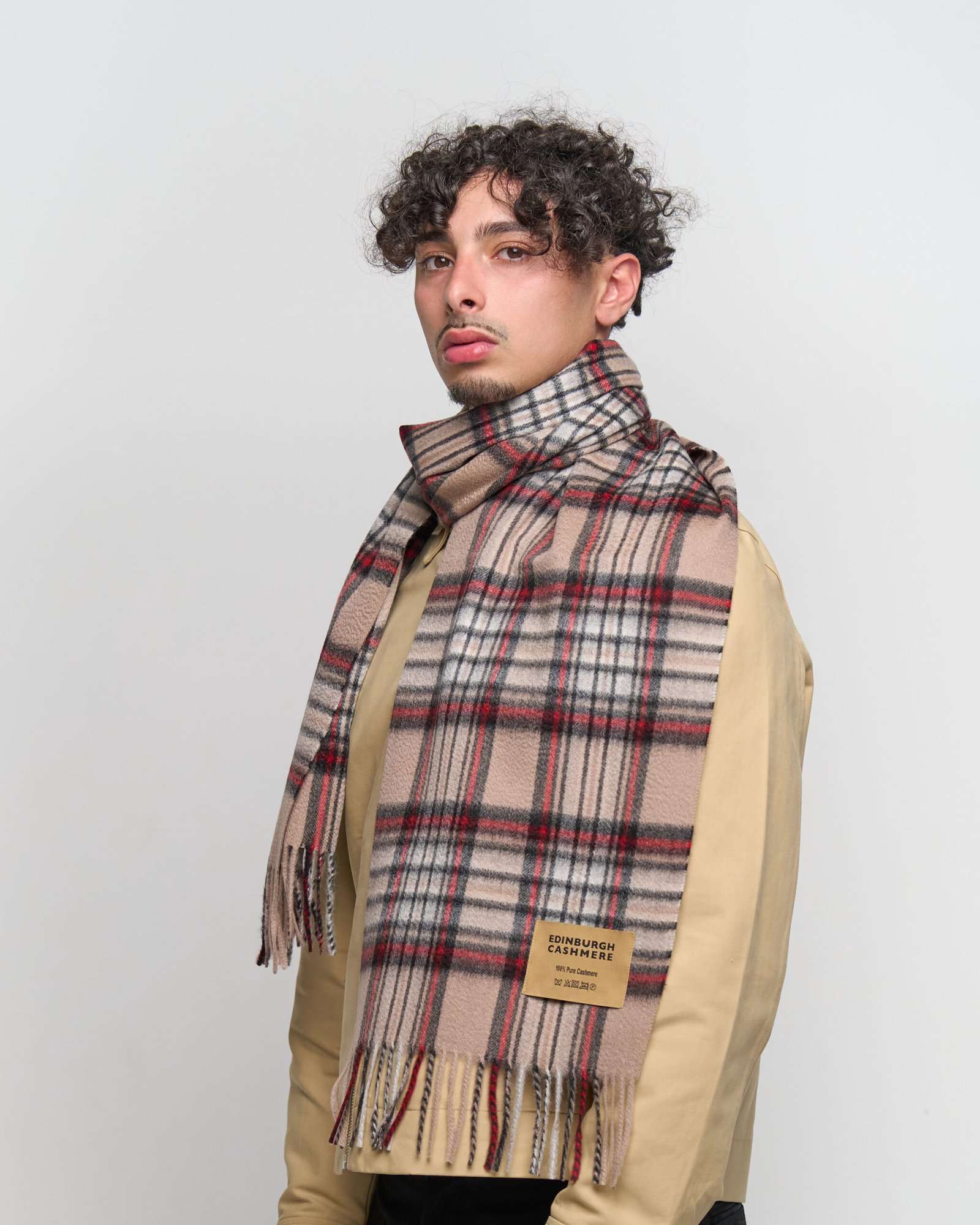
Comparing Softness Across the Range
Within Edinburgh Cashmere‘s range, reviewers occasionally compare softness across different pieces, the DC Scott against the DC Check, a scarf against a cape, noting that the feel remains essentially consistent regardless of design or cut. This is expected given the shared fibre specification, but it is a useful confirmation for buyers choosing between pieces based on design rather than concern about variable quality.
For a buyer torn between two designs purely on pattern preference, reviewer feedback consistently removes softness as a deciding factor, since both options draw from the same premium quality long-thread cashmere standard.
Comparing Softness Across the Edinburgh Cashmere Range: Consistent Regardless of Design or Cut
Softness and the First Wear
Several reviewers describe the specific moment of first wearing a new piece, often noting that the softness exceeded what they expected from photographs or product descriptions alone. This gap between expectation and experience is common in categories where touch is the primary quality indicator, since no image or written description can fully convey fibre softness.
For first-time buyers who have not yet handled premium quality long-thread cashmere in person, this consistent reviewer pattern, expectations being exceeded rather than merely met, is one of the more reassuring signals available before an online purchase.
Softness and the First Wear: Reviewers Describing Expectations Exceeded by the Actual Feel
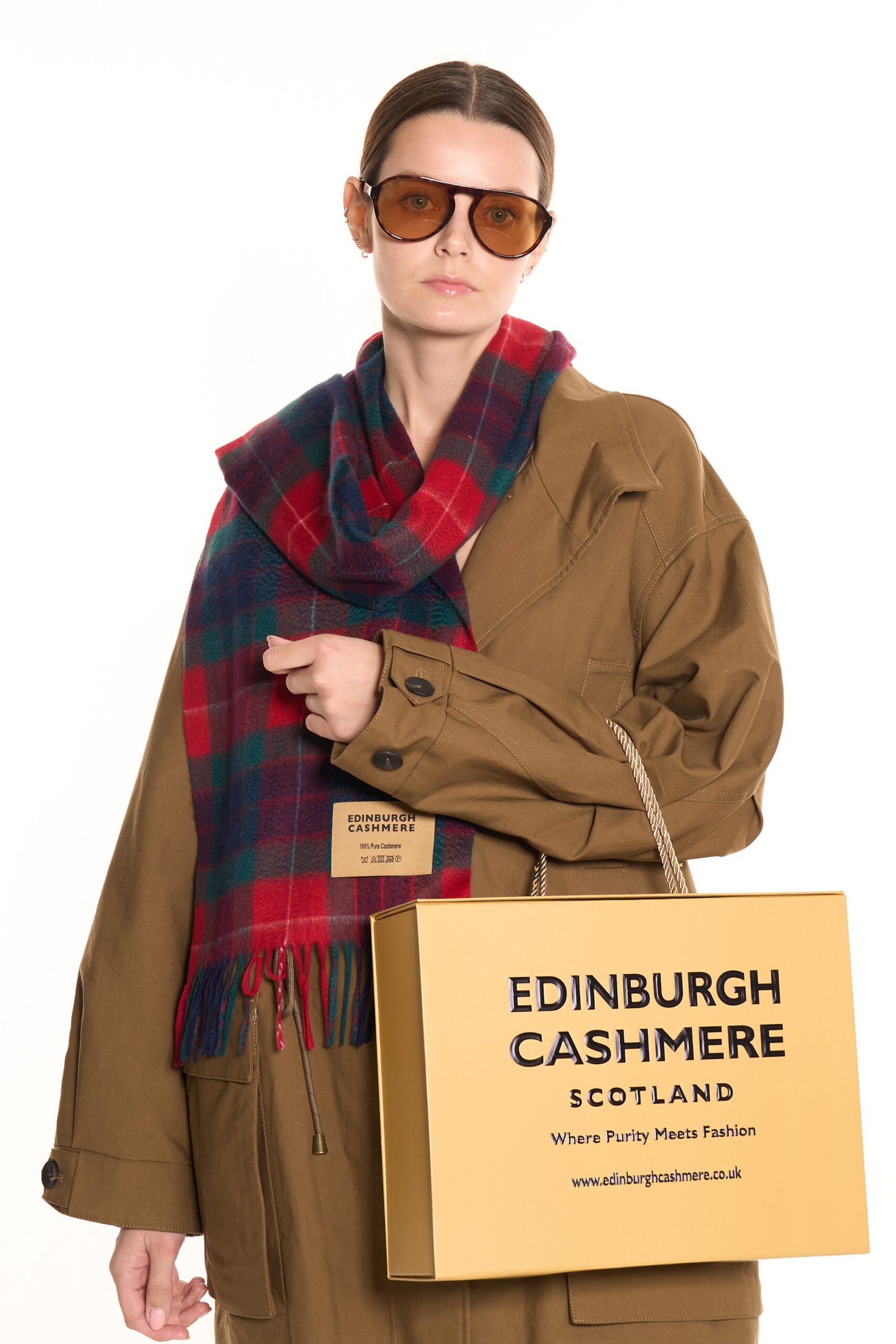
Softness as a Reason to Choose Cashmere Over Wool
Several reviewers who mention previously owning wool scarves draw an explicit comparison, noting that Edinburgh Cashmere‘s softness was the deciding factor in moving away from wool entirely for cold-weather accessories. This pattern reflects the genuine fibre difference between cashmere and wool at the diameter level, with cashmere’s finer fibres producing a categorically different feel against the skin.
For buyers weighing cashmere against wool for their next winter purchase, this reviewer pattern, choosing cashmere specifically for the softness difference, mirrors the broader fibre science behind why the two materials feel so different.
Softness as a Reason Reviewers Choose Edinburgh Cashmere Over Wool for Cold-Weather Accessories

The Long-Term Softness Test
The most demanding test of any claimed softness is not the first touch but the hundredth wear, whether a piece still feels the same after a full season of regular use, multiple gentle washes, and the general wear that any actively used garment experiences. Reviewers who return to leave a follow-up comment months after their original review, specifically to confirm the softness has held, provide the most rigorous form of evidence available.
For Edinburgh Cashmere, this long-term softness confirmation, appearing consistently enough across reviewers who took the time to follow up, is the clearest possible signal that the premium quality long-thread cashmere standard is not simply a first-impression effect but a durable quality that holds across genuine, sustained use.
The Long-Term Softness Test: Why the Hundredth Wear Matters More Than the First Touch
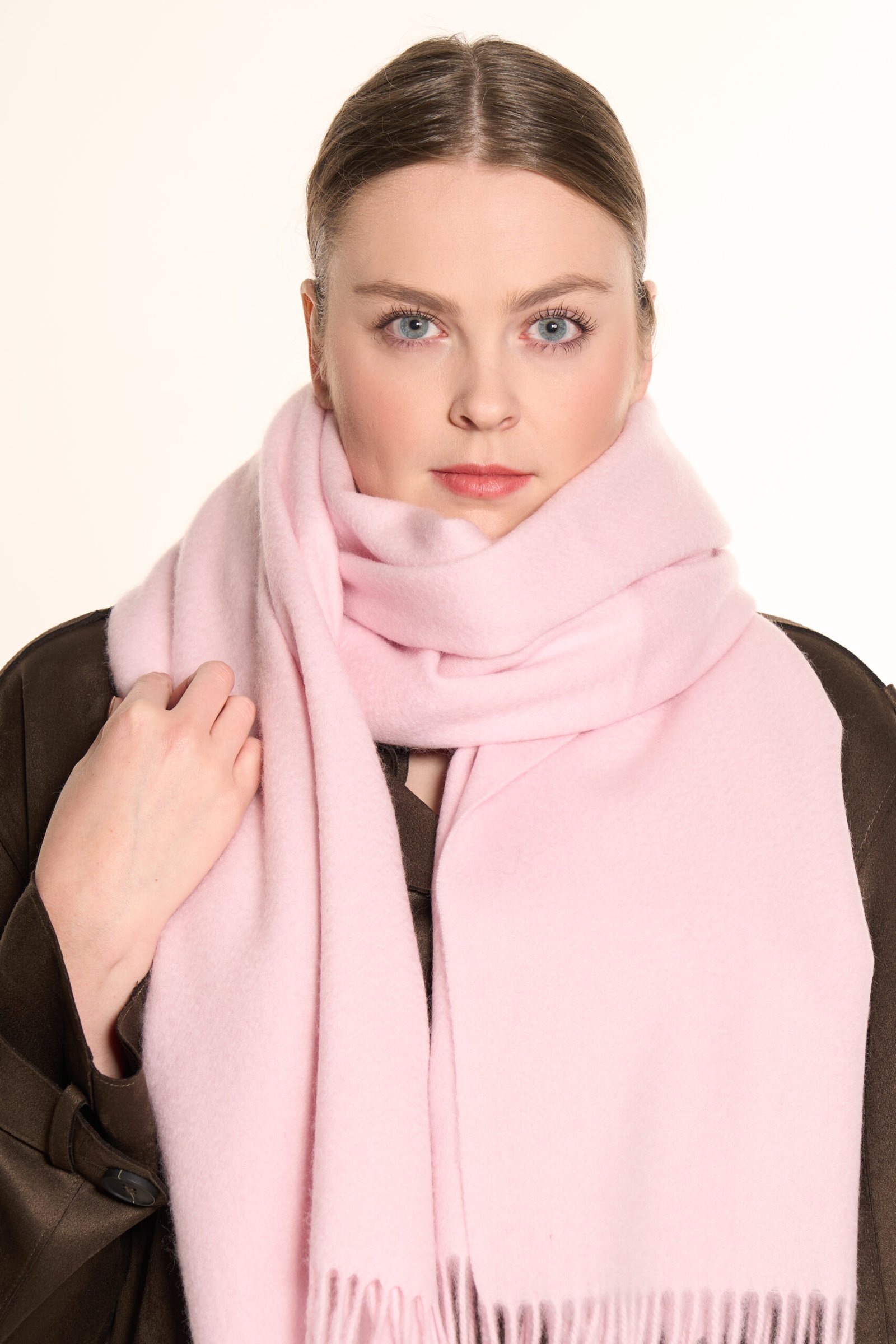
A specific and useful subset of reviews comes from buyers who mention having sensitive skin or a known reaction to wool, describing their experience with Edinburgh Cashmere‘s premium quality long-thread cashmere specifically in that context. These reviewers consistently report no irritation, attributing this directly to the fineness of the fibre at the brand’s stated micron specification, well below the threshold that typically triggers a reaction in wool-sensitive skin.
For a buyer who has previously found wool scarves uncomfortable to wear directly against the neck, this category of review, written specifically by others with the same sensitivity, is among the most directly relevant evidence available before trying cashmere as an alternative for the first time.
Softness Described by Buyers With Sensitive Skin: No Irritation Reported at Edinburgh Cashmere’s Fibre Specification

For a first-time buyer reading reviews before ordering from Edinburgh Cashmere, the consistent mention of softness across independent reviewers is one of the clearest signals available that the product description matches the actual experience. The DC Scott Cashmere Scarf at £345, the DC Check Cashmere Scarf and the DC Classic Cashmere Scarf are all available at Edinburgh Cashmere, each built to the same premium quality long-thread specification that reviewers describe.
Edinburgh Cashmere held, at the time of writing, a 4.3 rating on Google Reviews and 4.1 on Trustpilot, with softness one of the most consistently repeated reasons behind both.
